

Hall of Vape (Founded 2019)
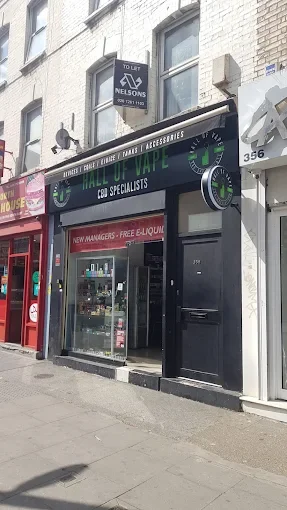
Hall of Vape — Portfolio Foundation
Hall of Vape was founded in 2019 and represents the foundation of our portfolio.
The business took control of underperforming retail locations:
First location (2020): approximately £60k annual turnover
Second location (2022): approximately £30k annual turnover
Both locations remain under the same ownership and management today and now generate in excess of £700k in combined annual turnover.
Performance Snapshot
Starting Point-
At acquisition, the business had strong underlying demand but was materially underperforming its potential. Revenue was inconsistent, reporting was fragmented, and decision-making relied heavily on intuition rather than data. Systems had not kept pace with growth, resulting in stock inefficiencies, unclear margins, and limited visibility across locations. While the brand had loyal customers, operational discipline had eroded over time.
Within the first 12 months of ownership, the business achieved £700k+ in combined annual turnover, returning to consistent profitability after a prolonged period of operational underperformance. Margins stabilised, cash flow visibility improved, and the business moved from reactive day-to-day management to a controlled, repeatable operating model.
What Drove the Turnaround
The turnaround did not come from radical reinvention, but from restoring clarity, structure, and accountability.
The first priority was establishing accurate, real-time reporting. By rebuilding financial and operational dashboards, management gained immediate visibility into sales performance, margins, stock movement, and labour efficiency. This allowed decisions to be made based on facts rather than assumptions.
Next, core operating systems were modernised. Inventory processes were tightened, purchasing became more disciplined, and pricing inconsistencies were corrected. These changes reduced cash leakage and improved gross margin without disrupting customer experience.
Finally, the business benefitted from active, hands-on ownership. Rather than stepping back post-acquisition, we worked directly within the operation—supporting staff, setting clear expectations, and introducing simple but effective controls. This created stability for the team while improving execution across the business.
Outcome
The result was a business that now operates with structure, transparency, and momentum. Revenue growth became predictable rather than volatile, profitability returned, and management time shifted away from firefighting toward long-term improvement.
Why This Matters to Sellers
This case reflects our core belief: most established businesses do not need reinvention—they need focused ownership, operational clarity, and disciplined execution. Sellers who care about continuity, staff stability, and the long-term health of their business can be confident that we invest with the intent to strengthen what already exists, not dismantle it.